10 Best ways to get your child to sleep better.

As adults stepping into parenthood and it’s demanding responsibilities, a lot of time, energy and attention is devoted to children’s incessant needs and taking care of them. Your child becomes the centre of your world even as you juggle with individual schedules, careers, finances, domestic tasks and so much more. Putting a child to sleep is no less than a challenge especially when there’s so much riding on your shoulders. However, with everyday planning and gentle care a lot more can be achieved than one hopes to.
Discussed here are 10 best ways and ideas to make sure that your child sleeps well and shines bright:
1) Children at different age groups need more sleep than most adults or young adults. Ironically enough they have the most resistance to being put in bed. Understanding this will help you to chalk out a plan that accommodates everybody’s needs and time schedules in the family, including the cushion time required to prepare your child to go to bed.

2) Use lighter colored walls, curtains and soothing and softer fabrics for bedspreads and blankets in your child’s room. Make sure that there are no disturbing noise or lights around and the temperature of the room is normal or cool. Ideally, try and keep away television sets, laptops, mobiles or other gadgets away from a child’s room. If you must have them around, create rules to switch them off at a cut-off time.

3) As counter-intuitive as it may sound, children love and stick to routines. Inculcate a bed-time routine that involves packing up their toys and school bags, brushing their teeth, a quick shower, changing into their night time clothes and tucking themselves in bed before you join them. This may initially take constant nudging but will soon be a part of their daily habits which will serve them well in the long run. Set up a regular time each night for them to follow.

4) Make sure they endure or enjoy enough physical exertion for a few hours during the day by way of exercise or playtime. They should not expend too much or too little energy. Encourage your child to finish these activities well before dinner time.

5) Late night dinners and outings are best avoided, especially with very young children because this can easily make them lose out on sleep, leading to cranky behaviour. At times children might also crave for a little snack right before bedtime; in such cases, let them have a fruit, crackers or some cereal with milk. Avoid giving them sugary treats or desserts late at night.

6) Every child has a favorite activity that they love to indulge in before they sleep. Very small children sleep to a softly hummed lullaby. Older children like to be hugged, express affection or be read a book to or listen to stories in bed. While these are cherished moments and simple and natural desires, do try to wean them off these demands eventually such that they learn to be independent to sleep on their own.

7) There might be nights when children have a tough time sleeping because of restlessness, fears or anxieties. Don’t pressurise them to sleep. Try and get them to relax and calm down first instead. Also, do encourage them to face their fears or worries and talk it out with you. One of the common fears might be the fear of the dark or there could be something about school or school work that’s bogging down their delicate minds. Be kind and patient with them and hear them out.

8) It is very important to help children feel safe and loved. A dim night lamp or letting them sleep with their favorite pillow or toy ensures that they sleep soundly like they should. Do no push them to sleep separately early on if they don’t prefer it. Let them sleep with you and slowly encourage them to grow independent enough to sleep alone in their room.

9) Teach your children about what they must do in case they wake up in the middle of the night. Assure them that they can reach out to you in case a nightmare wakes them up suddenly or if it is just some bathroom break that they might need a little help with. Again, let them learn to handle these things independently as they grow up.

10) Some children might have a very rough time falling asleep because of bed-wetting, persistent nightmares or unfounded fears. They might need added attention and gentle handling to overcome these obstacles. If these things persist, it is possible that they might have a genuine sleep disorder and your family pediatrician might be best able to help you.

Children need adequate sleep at an early age which assists their physical and mental growth and development. Instilling healthy sleep habits not only keeps their moods and behaviours manageable and less chaotic, but also helps them focus and do better at school work and excel at other extra-curricular activities. Well rested and healthy children bring more joy and reduce overall stress in a family. Every child is different of course, but building a routine that works for your family makes all the difference.
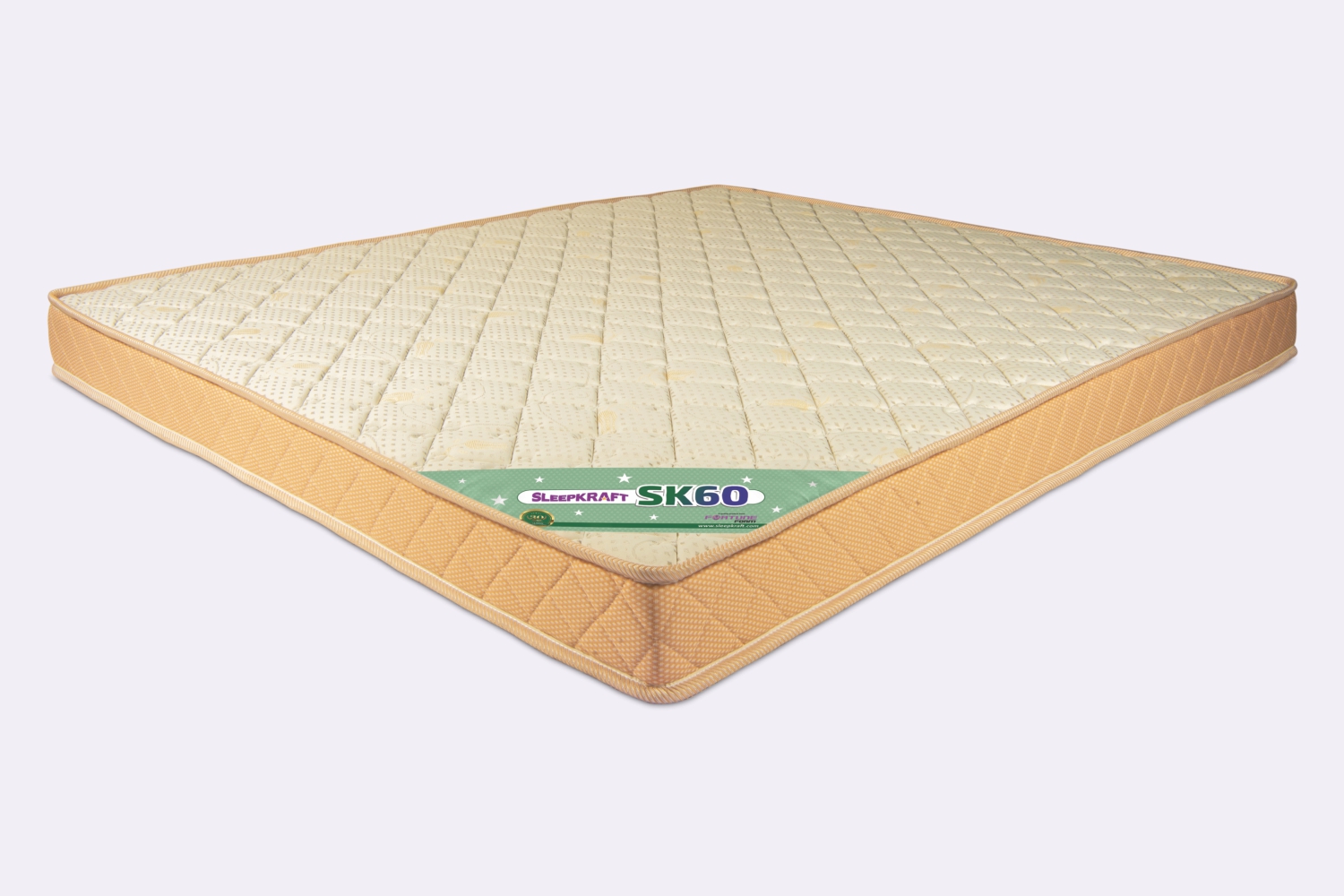
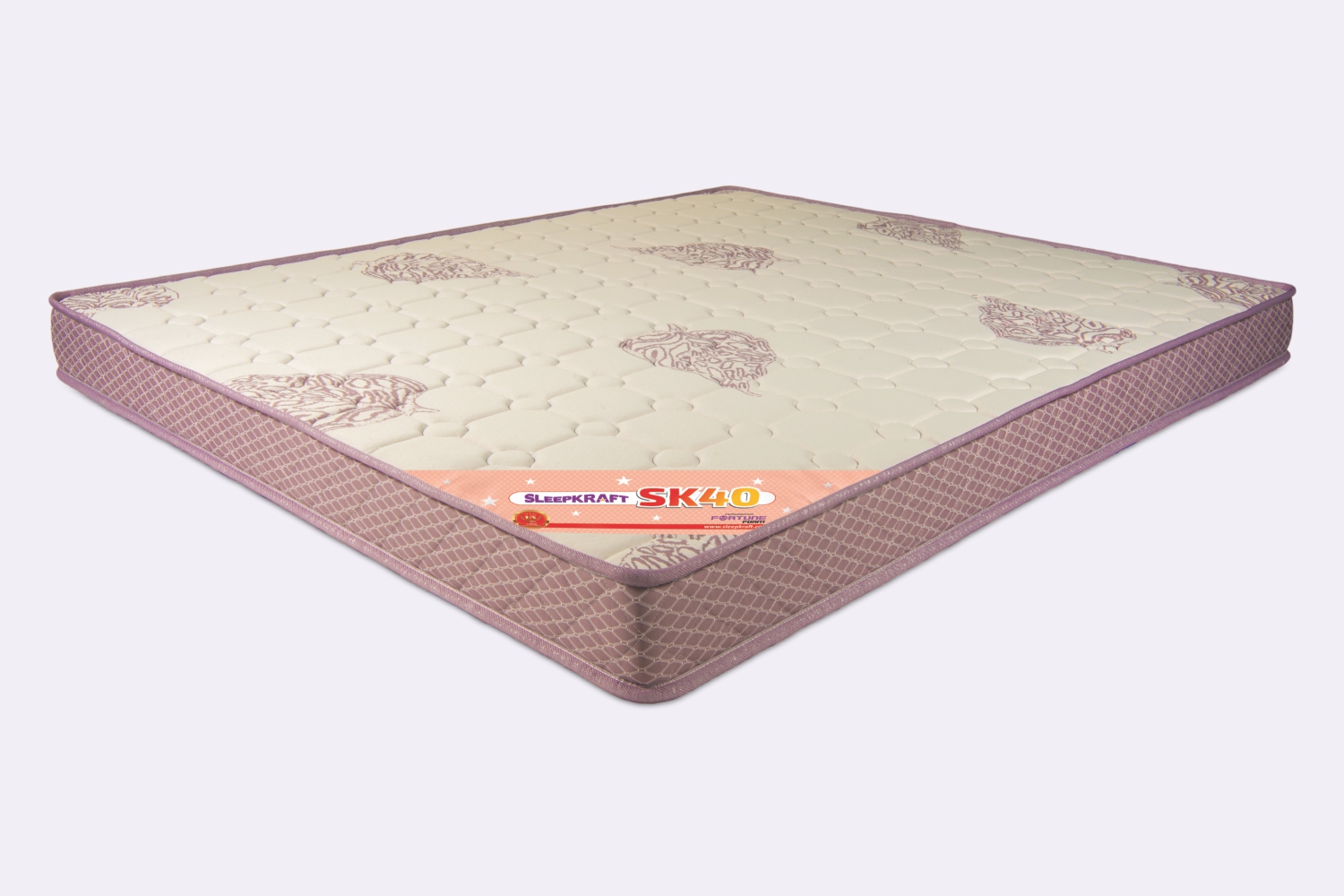
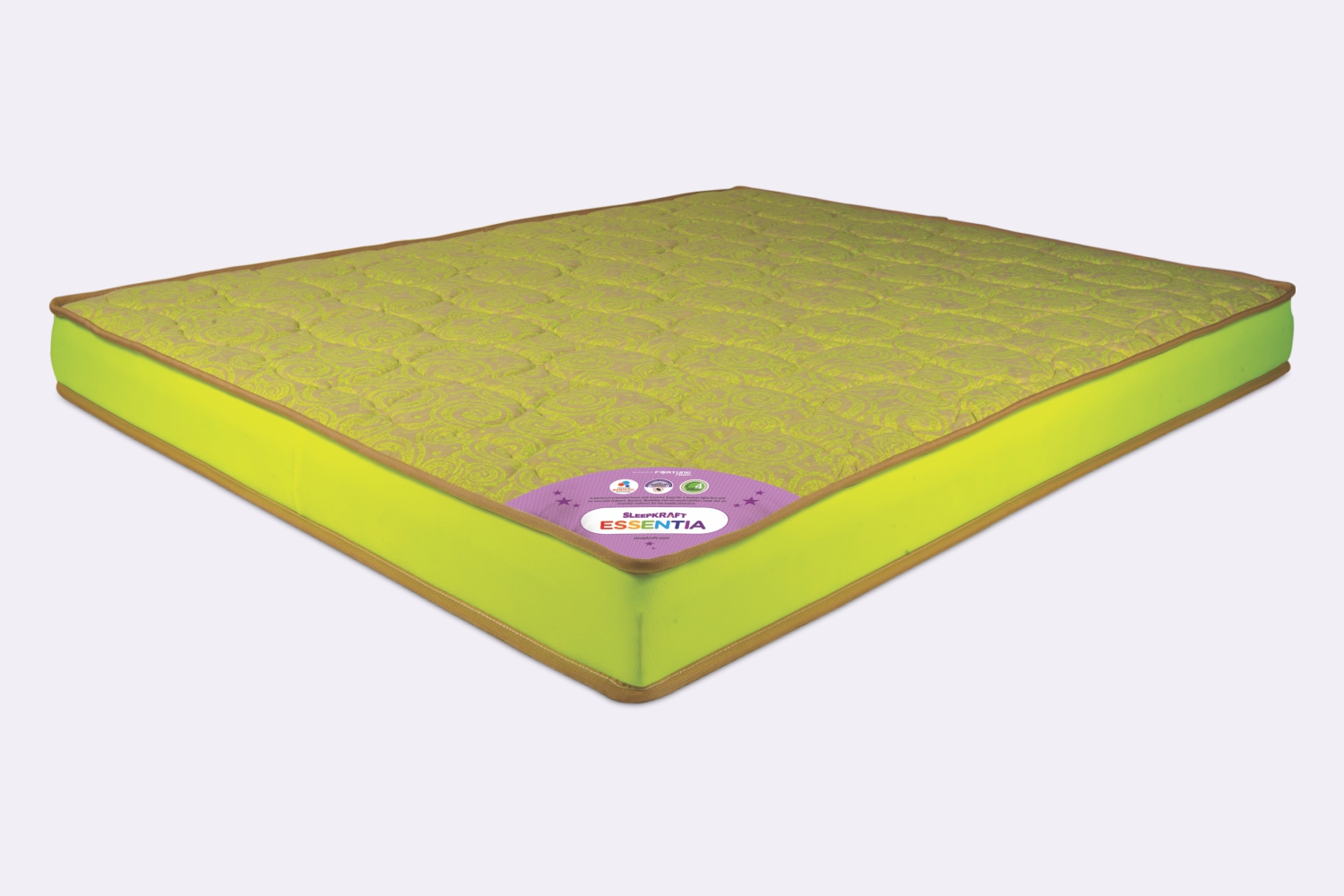
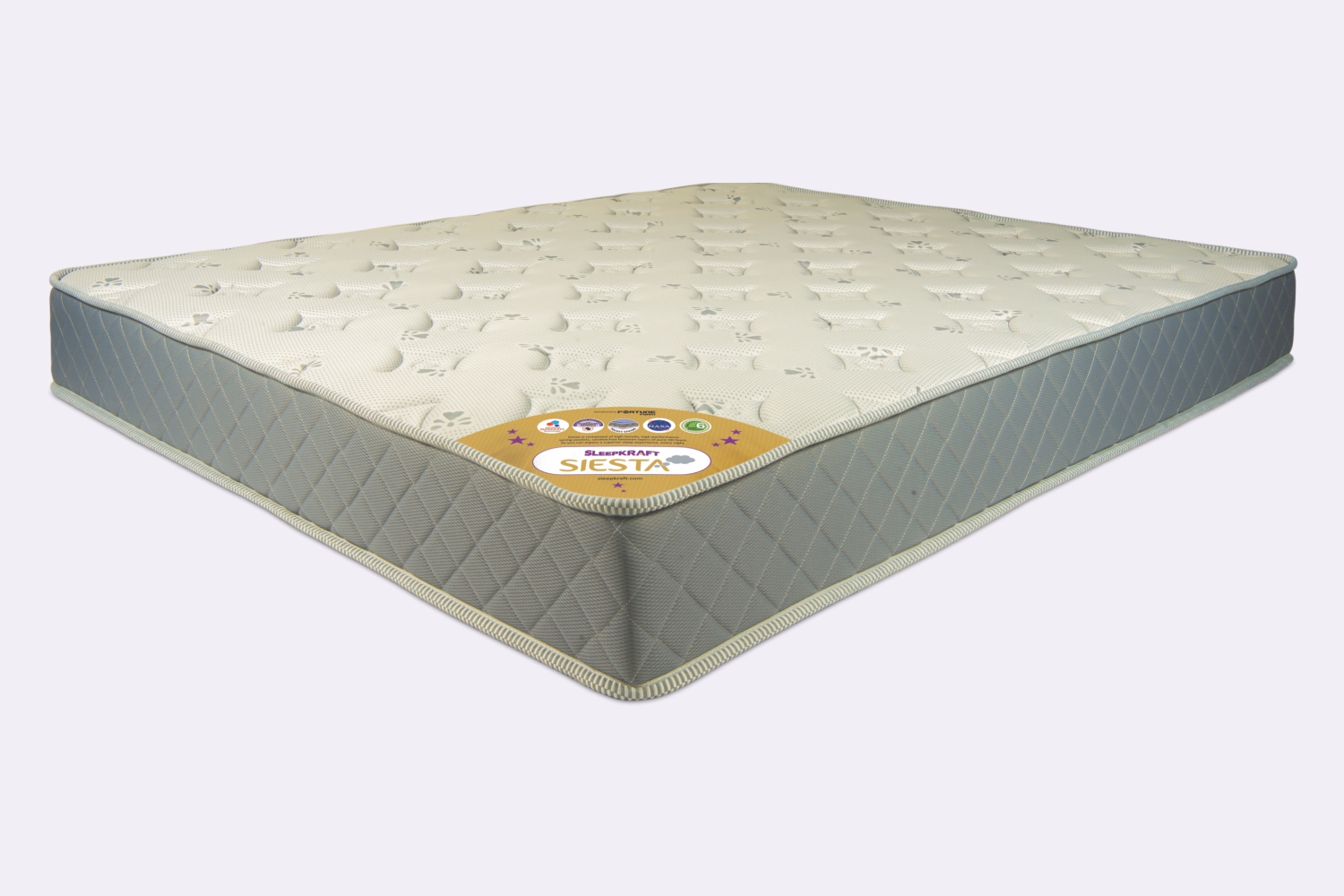
Create a happy and a peaceful bed for your child to sleep on. Sleepkraft has a wide variety of mattresses for you and your family, you can go through them here: www.sleepkraft.com