5 Surprising Facts About Sleep
Quite often we take sleep for granted, without knowing the full impact a good night’s rest or the lack of it has on our day and life. We sometimes even complain about the lack of sleep to show busy we are.
Sleep is a phenomenon that researchers admit they don’t know much about yet, all what we know about sleep is the product of the last 30 odd years. We however have uncovered some of it’s mysteries. Here are 5 facts that will make you stop and think for a while.

1. Dreaming
- 12% of people dream entirely in black and white, before color television though, the number was 75%
- You can only dream about faces you have already seen
- Blind folks dream too, their dreams tend to be less visual but have higher sensory and emotional experience
- We are more social in dreams than in real life and, in our dreams, we get to play our more positive social interactions.

2. We tend to sleep a few minutes less per night around a full moon.
Research by scientists at Basel University in Switzerland has found that, around a full moon, people may take longer to fall asleep, sleep less, and sleep less deeply.
3. Sleep deprivation increases the risk of cancer
Sleep disruption caused by working nights is classified as a potential cause of cancer by the World Health Organisation.

4. Less Sleep Makes You More Hungry
People who don’t get enough sleep are more likely to have bigger appetites due to the fact that their leptin levels (leptin is an appetite-regulating hormone) fall, promoting appetite increase.

5. Being sleep deprived is like being drunk and increases accident risks
After 17 to 19 hours of sleep deprivation has effects similar to a blood alcohol level of about 0.o5%. Infact, the Challenger space shuttle disaster, the Chernobyl nuclear meltdown, and the 1989 Exxon oil spill were all caused to some extent by sleep deprivation.

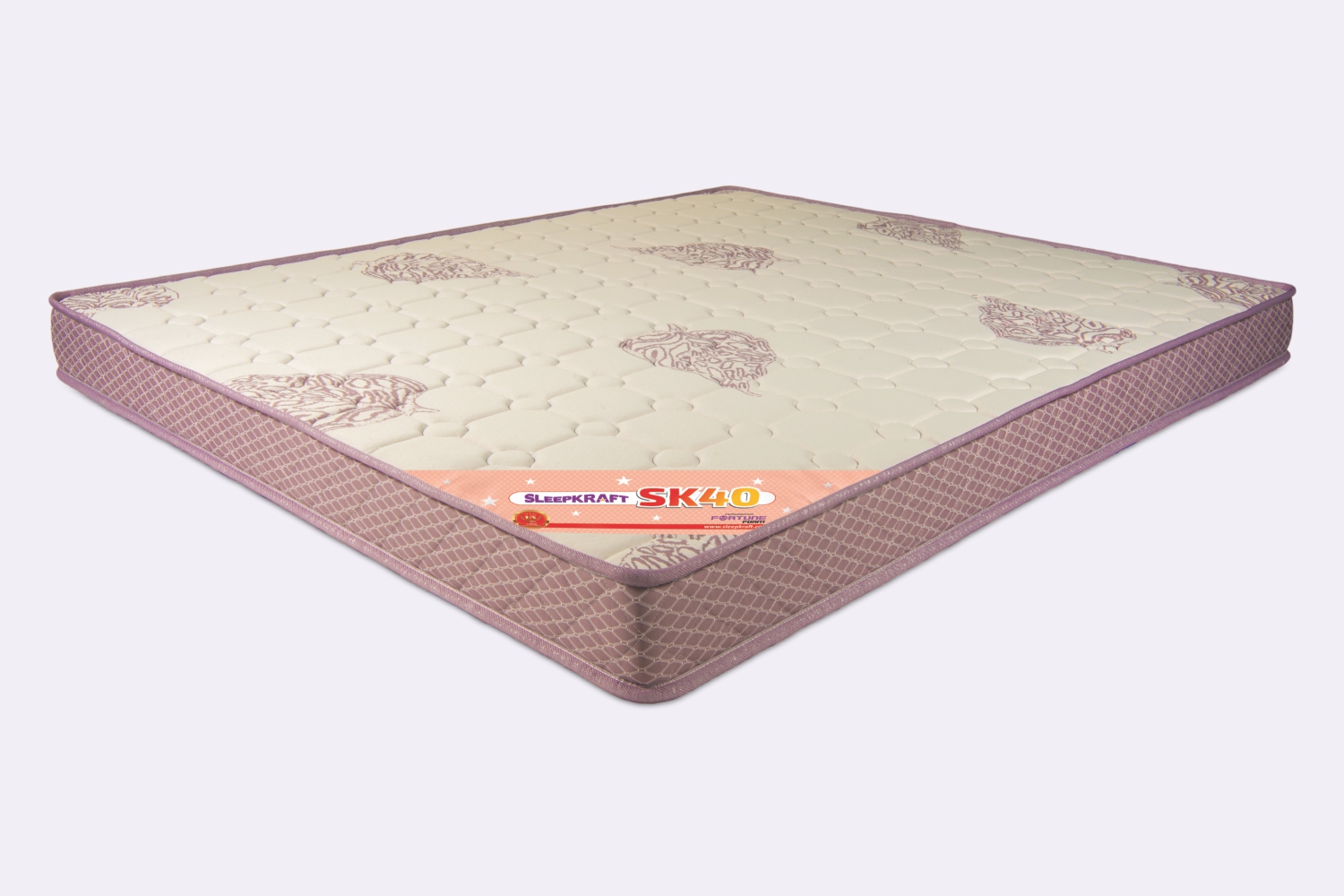
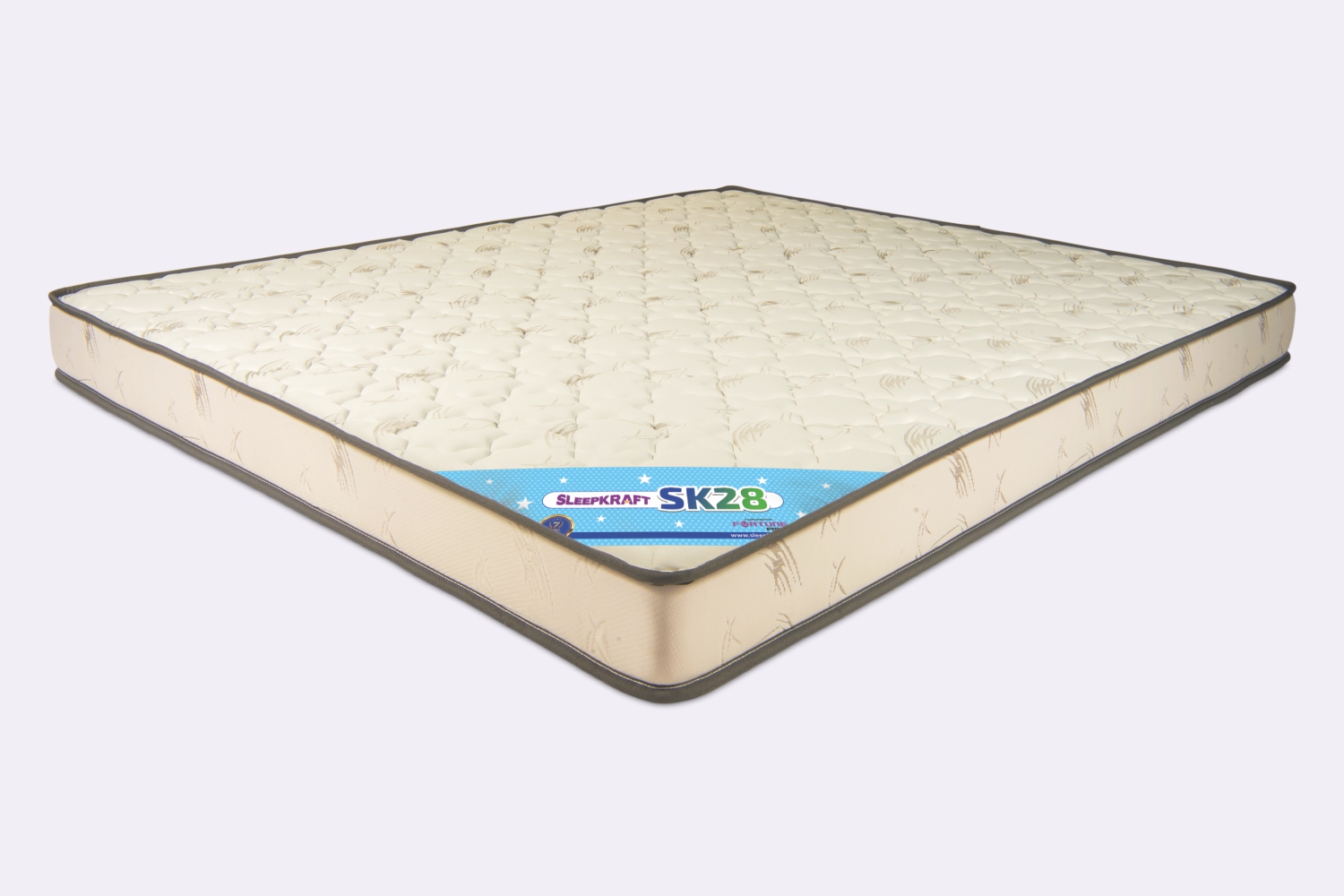
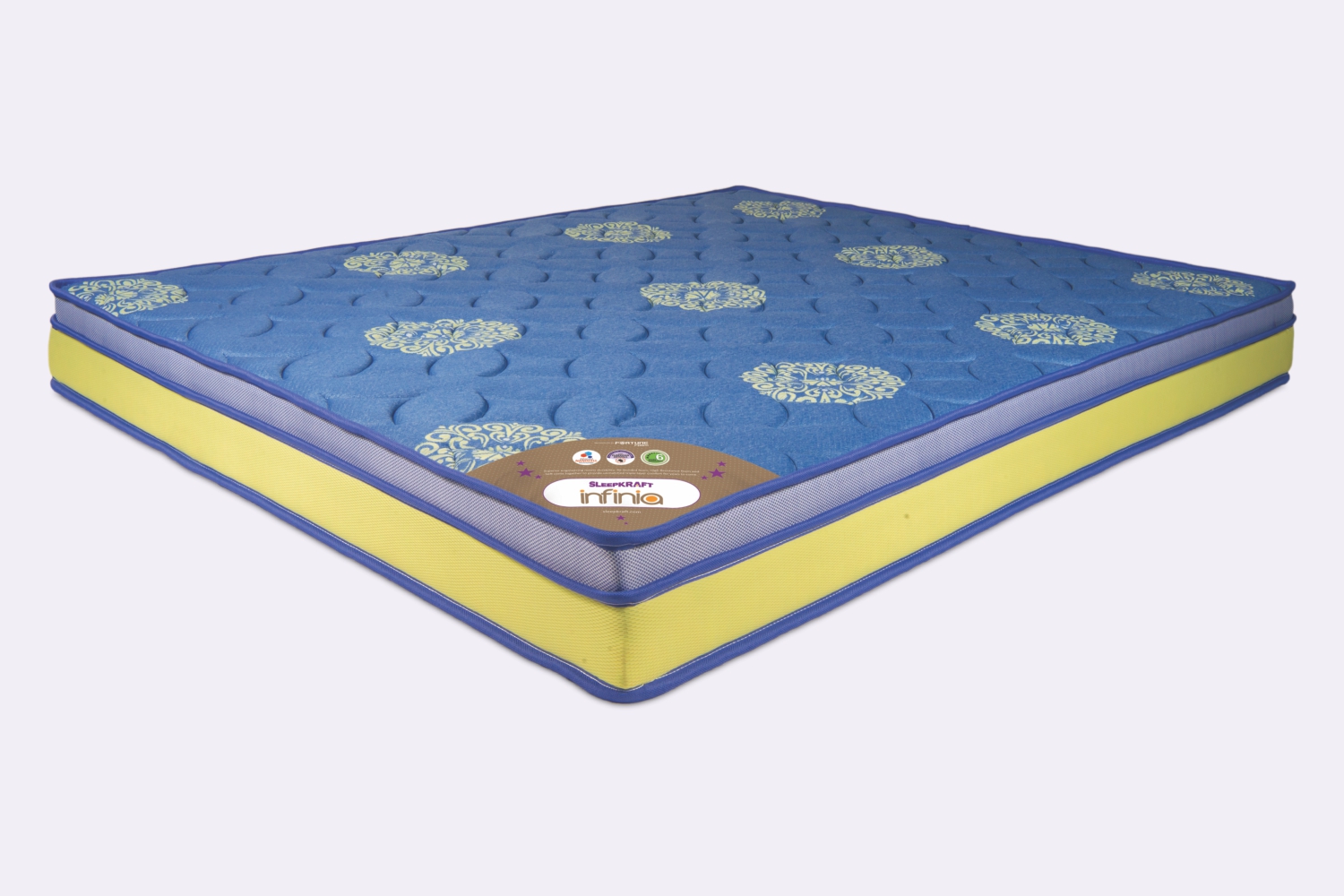
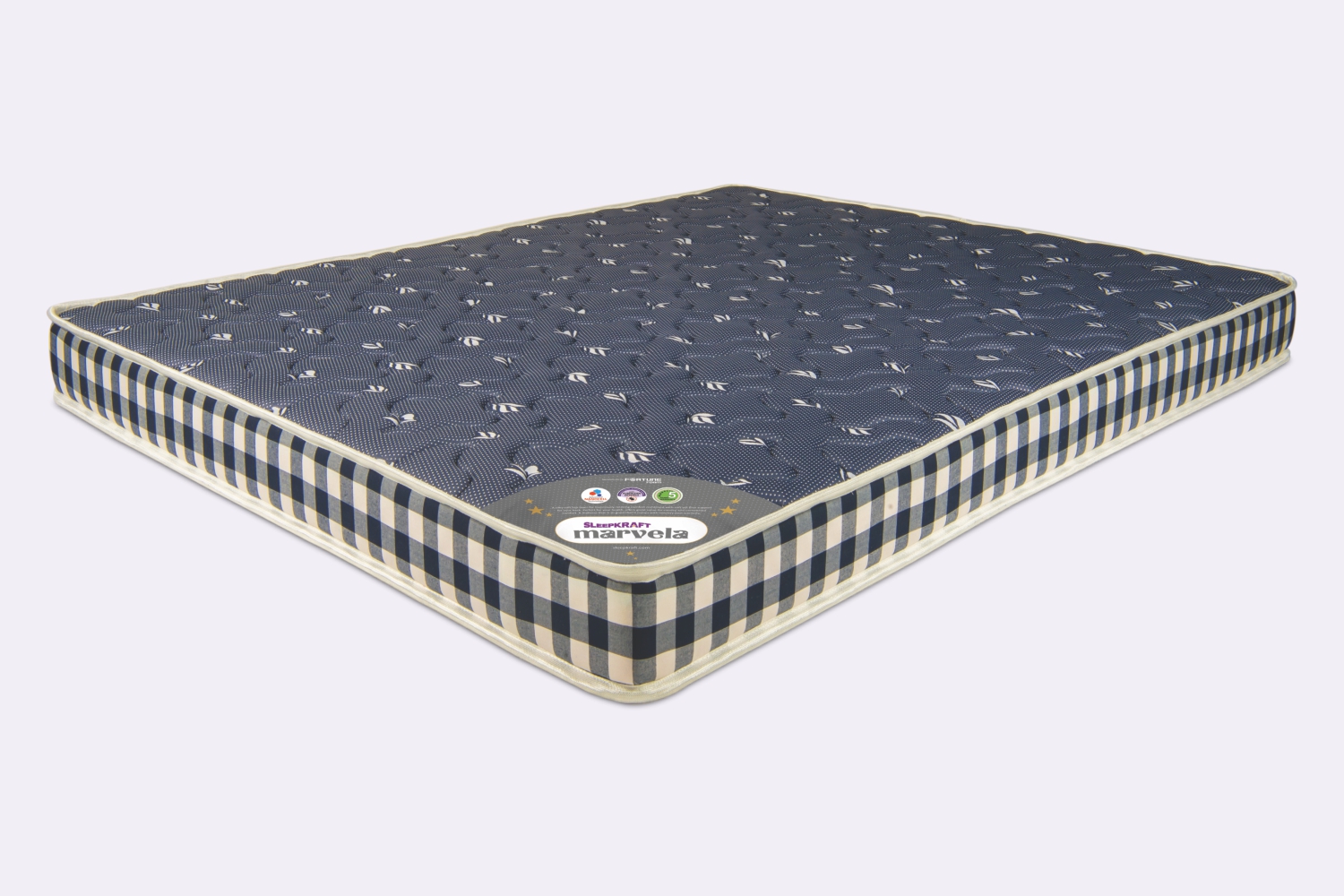
Now that you know a little bit more about sleep and the way it impacts your life, check out our extensive range of mattresses to find the one best suited to your sleep needs and check out our blog for tips and science behind sleeping right.